
Notes
- Pixel2Policy, led by Elisabetta Pietrostefani
- Space2Health, led by Ron Mahabir
- Embeddings provided by Google Satellite Embeddings V1
- Aerial images are provided by Esri World Imagery
- Liverpool boundary used to filter pixels by ONS
New #GLaDpodcast episode just dropped: how to give (bad) talks! We do not presume to know how to give good talks but, when it comes to bad ones, we have a stock of experience to share! Come for the tips, stay for the (non-existent) rocked babies, the Taylor Swift hints, and the self-recordings!
Spending today and tomorrow at #UKEO26 in Warwick. Excited to meet all the satellite nerds in the UK, at the same time, in the same building! If you’re around and would like to catch up over coffee, get in touch!
I’ve been out “on leave” (holiday!) while this #GLaDpodcast dropped but, in case you didn’t listen to it, you absolutely should. Sarah is one of the most inspiring figures at the intersection of cities, tech, and society. Come for a peak of what it means to be Sarah Williams!
New #GLaDpodcast episode: embeddings for the rest of us! Join us for a (hopefully) “lay enough” conversation about one of the most interesting ideas in geo-data that the last few years have produced.
Happy release day (+1) to those who celebrate! Third week in a row shipping imagery-based data products. One is a fluke, two is a pattern, three is real team effort. Imago releases CLiVE Air Temperature and Precipitation:
Talking about babies (and everything around them) was trickier on tape than on paper, but I think it was worth the effort, audience be the judge! New #GLADpodcast on academic babies:
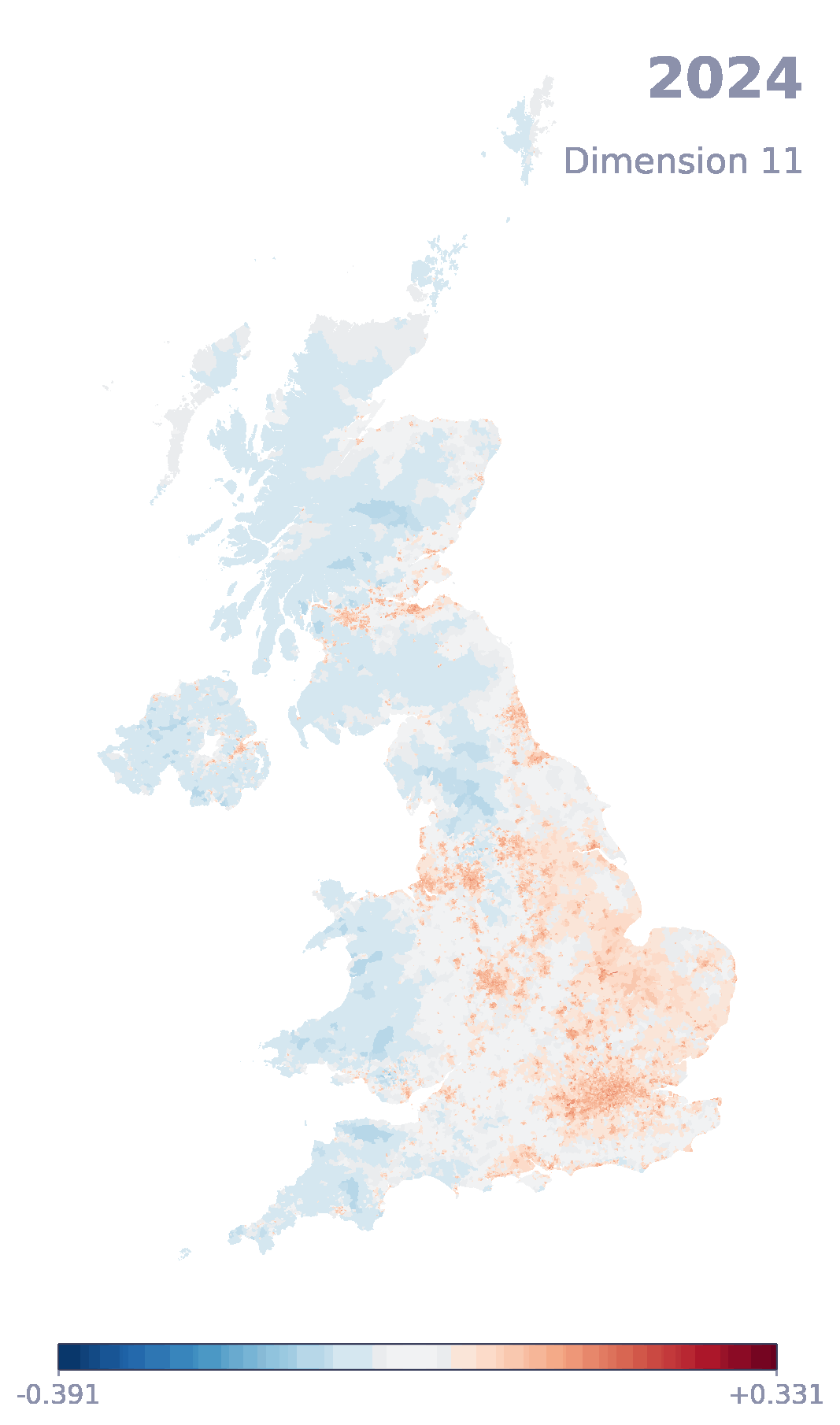
Happy release day to those who celebrate!!! Today, you can access our derived product that packages Google embeddings for small areas in the UK. Embeddings are changing how we work with satellite data. With this product, we hope it’ll be even easier to access and get started to look at places. If you take them out for a spin, let us know!
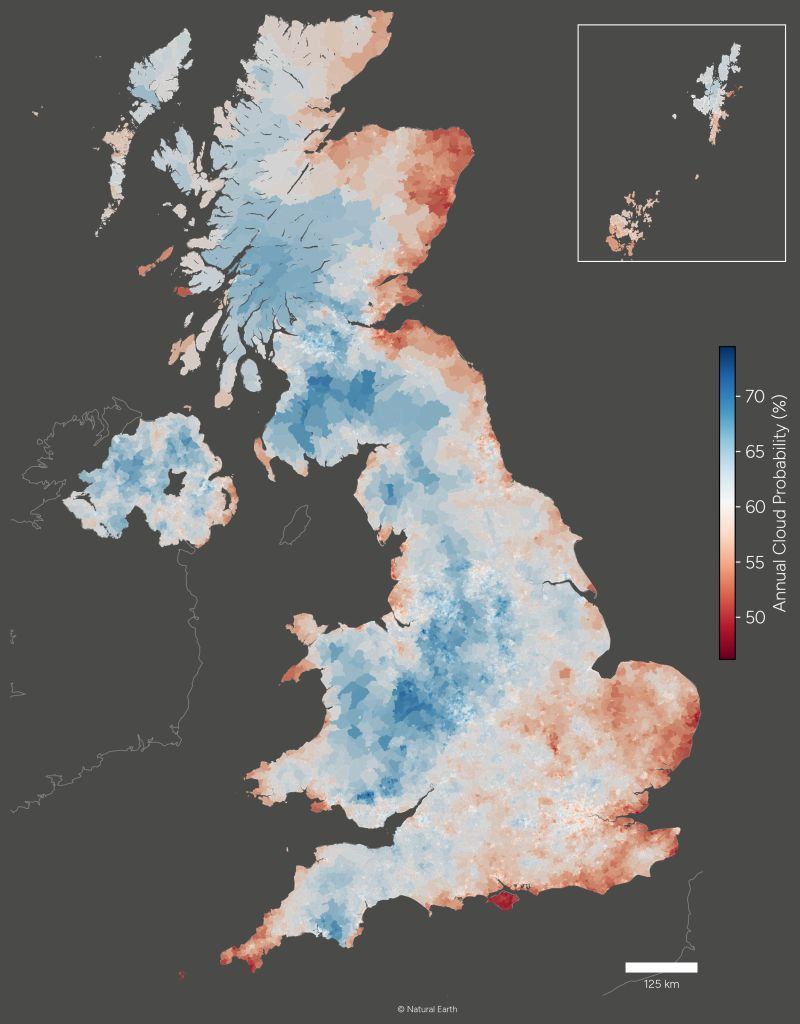
Happy data release day to those who celebrate!!! We’ve been working really hard (how hard can it be to count clouds? a lot, it turns out…) to bring you all your cloudy needs neatly packaged. If you play with SPF, we’d love to hear from you!
We’re recruiting for two PhD positions at Liverpool with the Imago team and based at the GDSL:
This project investigates how satellite-derived indicators can be co-produced with policymakers and communities to better reflect real needs and lived realities. Bridging Earth observation, participation, and policy, it aims to make satellite data more inclusive, credible, and impactful in decision-making.
Space2Health explores how satellite imagery can be transformed into meaningful measures of environmental exposures linked to health. The project relies on recent AI technologies to develop and evaluate satellite-derived indicators, examining how data choices and analytical approaches shape health-relevant evidence for research and decision-making.
Both open until April 13th, get in touch for any queries.
The GLaD Podcast recognised with AAG award
This happened, the GLaD podcast is now the “award-winning” GLaD podcast:
https://www.aag.org/2026-aag-awards-recognition/
Reproduced here for posterity:
AAG Media Achievement Award
The 2026 Media Achievement Award is presented to Drs. Daniel Arribas-Bel, Rachel Franklin and Levi Wolf, the co-creators and hosts of the Geography, Life + Data (GLaD) Podcast. This podcast is celebrated for enhancing the understanding of geography by exploring the intersection of our discipline with data science, public life, and academia—or, as their episode intro says, “geography, life, geography life, and data. Launched in 2023, the GLaD Podcast and its predecessor series have produced over 50 episodes, amassing over 8,000 downloads, over 15,000 views on YouTube, and attracting more than 5,000 listeners worldwide. The podcast is renowned for its ability to simplify complex topics—such as spatial data science and urban analytics—through an engaging and accessible conversational style. It effectively breaks down barriers for students, early-career researchers, and non-specialists. Recognized as an invaluable educational resource, it has been integrated into graduate seminars and serves as a platform to humanize leading scholars. The podcast offers candid, practical advice on academic challenges like job searching and conference navigation, fostering a supportive community. GLaD’s continued independent production underscores the creators’ commitment to bridging the gap between academic research and the wider public.
Like most things worth your time in life, we did not set out to do a podcast (the “I’m in a band” of the XXIst Century…) for the awards, but it does feel very good to be recognised, mostly by people listening to it every month, and now with this too.
Thank you, thank you, thank you to everyone who’s clicked on the Play button at some point. And Thank you, Thank you, Thank you to the kind souls who nominated us for the award. Like I’ve said elsewhere, whatever they tell you, what academics really crave is peer recognition, and this feels pretty close to it!
New episode of the one and only #GLaDpodcast. For this one, we dust off our oracles to speculate what 2026 (whatever is left of it anyway) has in store for Geography, Life, Geography Life, and Data! Come for the hot takes, stay for Polymarket-style futures contracts!
Yesterday, we (the Imago team) gave a workshop on satellite embeddings for a room with about 50 people from different corners of the UK Government. It was fantastic in every respect (with the possible exception of Github bringing down our website because it thought it was receiving a DDoS attack lol). It’s so exciting to see these ideas and technology move at the speed of light from state of the art research to Government. Anything we can do at Imago to facilitate that transfer, we’re here for that!
If you’re curious, materials are available at:
imago-sdruk.github.io/EMBED2Soc…
And if this looks interesting to your and/or your organisation, do get in touch!
A bit late to post about (though not to publish!), we have a new episode of the #GLaDpodcast out. If nothing else, be enticed by the title (the oldest profession in Geography?!?!?!); if something else, delight in Anthony Robinson’s views on maps, AI, and microwave ovens!
Just in time for a cozy listen this coming break, a new #GLaDpodcast episode! This time, we welcome the one and only Serge Rey to talk all things open, open source, and academia! Come for the code, stay for the stories of lives changed!
With all the rush last month, I forgot we released a new #GLaDpodcast episode. We finally gave in to the GeoAI craze and went straight to the source. Join us for a conversation with Krzysztof Janowicz, who’s been laying the grounds for what today is called “GeoAI” for longer than you can think of!
Entry for #30DayMapChallenge
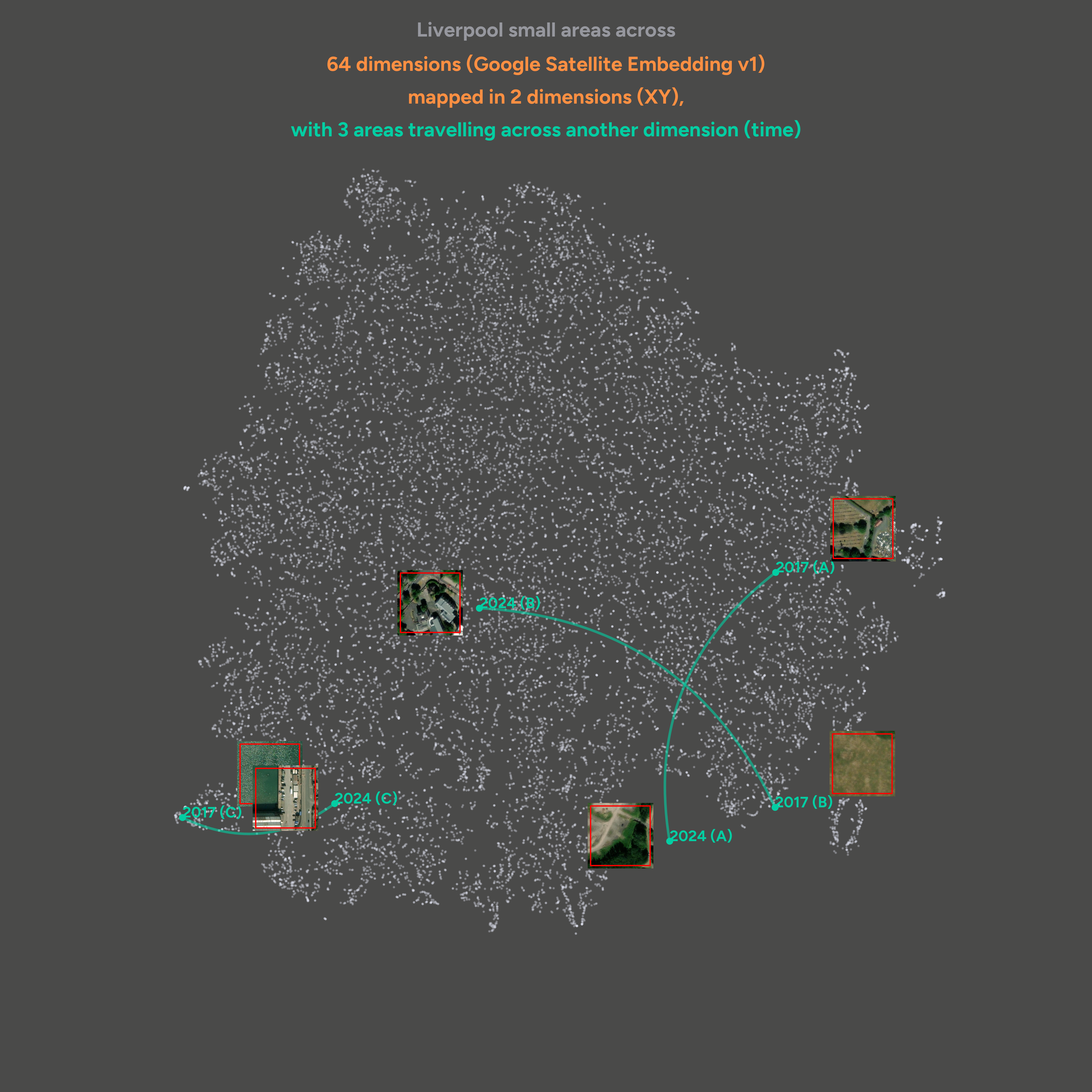
I have an entry today at the GDSL’s #30DayMapChallenge with an attempt at “Dimensions”. It’s a story of 64 dimensions, mapped in two, with a bit of an extra dimension.
Official description:
This “map” is a projection to 2D of the 64 dimensions provided by Google’s Satellite Embedding V1 for all pixels of 100m x 100m in Liverpool for 2017 and 2024. Each dot is thus one area at one point in time. Because embeddings encode semantic similarity, nearby dots represent similar areas. Three areas (A, B, C) with substantive change are highlighted, and this change can be seen in the “journey” across the map from their 2017 location to that in 2024. Suggestive aerial images are included also to help understand the nature of the change.
Credits:
🎧New episode of the #GLaDpodcast 🎧 We liked talking to Wenfei Xu so much that we invited her back! Come for the fancy data, stay for engaging conversation about hopping between academia and industry, traversing disciplines, and… an Exhibitions entry in your CV.
🎧New episode of the #GLaDpodcast 🎧 Everything you ever wanted to know about mobile phone data in social science and never dared to ask, answered neatly in an entertaining™️ conversation. Check it out here, or wherever you get your podcasts:
This was well worth a watch. I definitely was not there, but lived through the 2 to 3 transition, and Python has meant so much for my career. It was cool so see that (and many other moments I’d heard of before, and some I hadn’t!) in there.